7 Warning Signs Your Portland Roof Needs Repair or Replacement: 2026 Homeowner’s Guide
A sturdy roof does its job quietly. Most days, we rarely give it a second thought until water finds its way inside.
Earlier on the blog, we broke down the Compelling Reasons to Invest in Roof Repair or Replacement, touching on how keeping up with your roof lowers utility bills, stops hidden rot, and protects your home’s market value. With heavy rains, fallen fir needles, and damp winters defining life in the Portland area, catching roof wear early is the best way to prevent a minor leak from turning into a major construction project.
To help you stay ahead of the weather in 2026, here is an easy-to-follow guide to the seven most common red flags, what they mean for your home, and how to tell whether a simple patch job will cut it or if it is time to plan a replacement.
Roof Damage Matrix: Assessing Symptoms & Practical Fixes
| The Problem | The Cause | Potential Consequence | The Solution |
|---|---|---|---|
| Heavy moss mats | Constant shade and high dampness trapping moisture against tabs | Shingle edges lift, letting wind-driven rain blow underneath | Soft-wash treatment if shingles are firm; replace if granules are gone |
| Curling or cupping edges | Heat exhaustion and binder dry-out from years of weather exposure | Shingles break off in high winds and lose water-shedding ability | Full slope or roof replacement |
| Granule sludge in gutters | Natural aging and friction shedding the asphalt’s protective shell | Accelerated UV degradation and brittle, leaky shingles | Plan for a re-roof in the near future |
| Missing shingle tabs | Failed seal strips giving way during heavy windstorms | Direct water entry onto underlayment and bare fastener heads | Spot-shingle replacement if surrounding roof is relatively new |
| Attic dampness or stains | Compromised valley metal, cracked boot collars, or loose flashing | Wet ceiling drywall, mold in insulation, and ruined rafters | Locate entry leak; repair flashing or replace aged section |
| Spongy, uneven roof deck | Moisture penetration rotting the plywood or OSB sheets beneath | Compromised structural load capacity and sagging rooflines | Tear off shingles and install fresh plywood decking |
| Passed the 20-year mark | Materials have reached their design limit under Pacific Northwest weather | High vulnerability to sudden blow-offs and system failure | Schedule a planned roof replacement |
1. Thick Green Moss Spreading Across Your Shingles
In our corner of Oregon, moss grows on just about everything left outside. While a soft patch of green on a tree trunk looks picturesque, moss growing on your roof acts like a wet kitchen sponge held against the asphalt.
As moss thickens, it creeps under the lower edges of the shingles, slowly prying them upward. During frosty winter mornings, that trapped moisture freezes and expands, breaking the adhesive bond holding your roof together. Once that seal is broken, driving winter rain has a direct path underneath.
If you notice green cushions taking over shaded roof sections, have the wood beneath checked to make sure it hasn’t turned soft.
2. Shingles Curling, Cupping, or Splitting
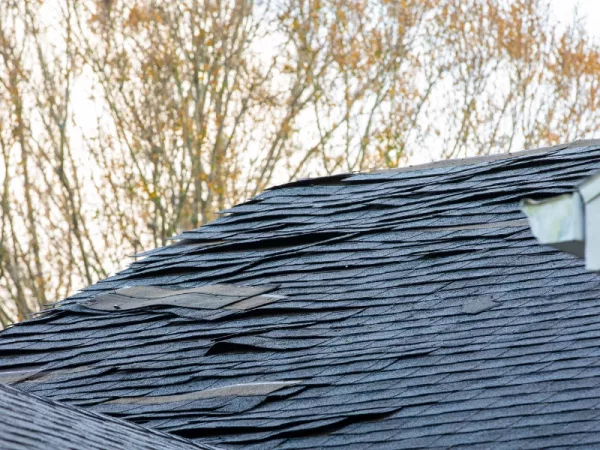
Healthy asphalt shingles lie flat, straight, and firm against one another. Over years of alternating between baking summer heat and soaking winter cold, the flexible oils in the asphalt dry out.
When you look up at your home, check the shape of the individual tabs:
- If the centers are dipping down while edges lift up (cupping), the shingle has lost its shape.
- If the edges and corners are rolling upward (curling), the material is brittle and prone to breaking.
Curled shingles can no longer direct water down the slope smoothly. Instead, water can catch under the lips, and gusts of wind can easily snap the brittle tabs clean off.
3. A Gritty Black Sludge Settling in Gutters and Downspouts
The tiny colored stones coating asphalt shingles are called granules, and they serve a critical purpose: they shield the soft petroleum-based asphalt from harsh sun exposure and physical wear.
It is normal to see a small handful of stray granules wash out of a brand-new roof right after installation. But if your roof is over ten years old and you find thick, dark granule buildup every time you clean your gutters, your shingles are shedding their protective armor.
Once those stones fall away, bare black asphalt is exposed to the elements, leading to rapid cracking and leaks. Bald, shiny, or discolored patches across your roof plane mean your shingles are nearing retirement.
4. Shingle Tabs Missing After Windstorms
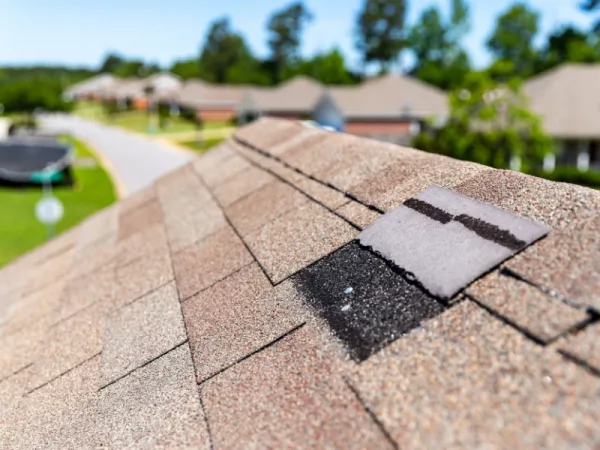
Willamette Valley fall storms often bring heavy gusts that sweep across neighborhoods and test your home’s exterior defenses. A healthy roof relies on a continuous line of factory sealant under each row to keep the shingles glued flat against high winds.
As roofs get older, that adhesive strip dries out and gives up its grip. Once that happens, wind can easily lift a shingle tab, bend it backward, and rip it away.
Finding pieces of shingles in your flowerbeds or noticing dark, blank rectangles on your roofline requires immediate action. Leaving exposed nail heads and black felt underlayment open to the rain gives water a straight line into your home. A single tab can usually be replaced quickly, but if shingles are blowing off across different slopes, the adhesive across the entire roof is likely failing.
5. Water Stains in the Attic or Along Interior Ceilings
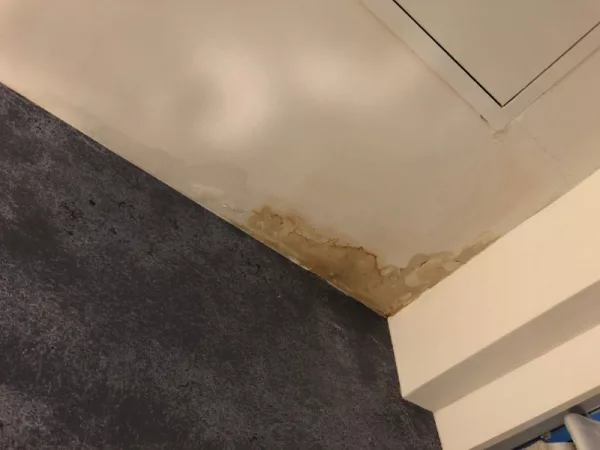
Water rarely announces itself with a dramatic indoor deluge. Most roofing leaks start small. A cracked pipe boot around a plumbing vent, loose chimney flashing, or an aged valley can trickle water in quietly.
Rainwater will often run down a rafter or pool on top of attic insulation for weeks before it finally saturates the ceiling drywall enough to show a brown ring.
Take a flashlight into the attic during a steady downpour:
- Look for dark water streaks along the plywood roof sheathing.
- Check whether insulation under valleys and roof penetrations feels compressed or damp.
- Look for rust forming on nail tips poking through the roof boards.
Finding an active leak in the attic lets you tackle the problem before dealing with stained ceilings, soggy insulation, and mold remediation.
6. A Soft, Bouncy Feel or Visible Dips in the Roofline
When you look at your home from the street, ridge lines and slopes should look crisp, rigid, and straight.
If you see a saddle-like dip or an uneven wavy section across the slope, you are likely looking at moisture-damaged sheathing. When rainwater sneaks past shingles over an extended period, it rots the structural plywood or wafer board beneath.
Walking on a roof that has rotted decking often feels like stepping onto a trampoline or a wet sponge. Soft spots are a serious safety issue and indicate that a simple shingle swap won’t be enough; the rotted wooden deck boards underneath must be torn out and rebuilt.
7. The Calendar Shows 20 to 25 Years of Service
Every building component has a shelf life. Standard asphalt 3-tab shingles usually provide 15 to 20 years of solid service, while thicker architectural shingles can last 20 to 25 years.
However, Portland’s extended wet season, dense tree debris, and persistent dampness can accelerate wear and shorten those spans.
If your roof was put on two decades ago, the underlying waterproof membranes, flashings, and fasteners have weathered thousands of rain cycles. Even if you don’t see an active leak in your hallway today, an aging roof system loses its wind resistance and can fail without much warning. Planning a replacement ahead of time keeps you in control and avoids the scramble of an emergency repair in the dead of winter.
Why Whole-Home Protection Depends on Timely Roof Care
As discussed in our look at investing in roof repair or replacement, your roof doesn’t operate in isolation. It works alongside your gutters, fascia, soffits, and exterior siding to create an interconnected water-shedding system over your entire house:
- Shielding exterior walls: Proper roof overhangs and clean flashings prevent rainwater from running behind siding panels where it can rot wall studs.
- Keeping heating bills down: Dry attic insulation retains its thermal resistance; soaked insulation compresses, loses its insulating value, and drives up winter furnace costs.
- Eliminating mold habitats: Stopping hidden water intrusion removes the damp, stagnant conditions that mold spores require to grow.
- Preserving equity: A clean, sound roofline gives home inspectors and future buyers confidence, safeguarding your appraisal value when it is time to move.
Frequently Asked Questions About Roof Repair and Replacement
Most standard asphalt roofs last between 15 and 25 years. However, persistent rain, fallen fir needles, and dense winter shade can shorten that lifespan. If your roof is approaching the 20-year mark, having it checked helps you plan a replacement before an emergency leak starts during a winter storm.
A spongy, bouncy feeling means water has leaked past the shingles and rotted the plywood decking underneath. When decking rots, it loses its structural strength and can sag under foot traffic. A simple patch will not fix this; the damaged shingles and rotted wood boards must be torn off and replaced.
Yes, as long as the surrounding roof is still in good shape and the wood deck beneath is dry. However, if shingles are blowing off across several sections of your home, the factory adhesive strips on the rest of the roof are likely failing, which usually means it is time for a full replacement.
Those small stones are protective granules that shield the asphalt from the sun and rain. Finding a few granules in gutters is normal on a brand-new roof, but regular buildup from an older roof means your shingles are drying out. Once the granules wash away, bare asphalt cracks quickly under UV exposure.
Moss holds onto rain like a wet sponge directly against your shingles. As it grows thicker, it forces its way under the edges and lifts them up. During cold snaps, trapped water freezes and expands, breaking the glue seal that keeps your shingles flat and allowing driving rain to blow straight underneath.
Keep Your Portland Home Weather-Ready with Sister Siding Co.
When Oregon weather turns harsh, you need exterior protection you can trust from the roof peak down to the foundation.
At Sister Siding Co., we know how local moisture affects homes across Portland, Beaverton, Gresham, Tigard, and surrounding communities. From comprehensive roof assessments and targeted repairs to complete siding and roofing overhauls, our crew delivers upfront estimates, dependable materials, and craftsmanship built to withstand the Pacific Northwest climate.
Reach out to Sister Siding Co. today to book your roof inspection and get an honest, practical plan for your home.