How Portland’s Rainy Weather Affects Your Home’s Siding (And How to Protect It)
See what Portland Area Siding Expert, Lucas Kelly, says about the signs that your siding may have water damage and how you can prevent it.
By Lucas Kelly, Portland Siding Expert | December 8th, 2025
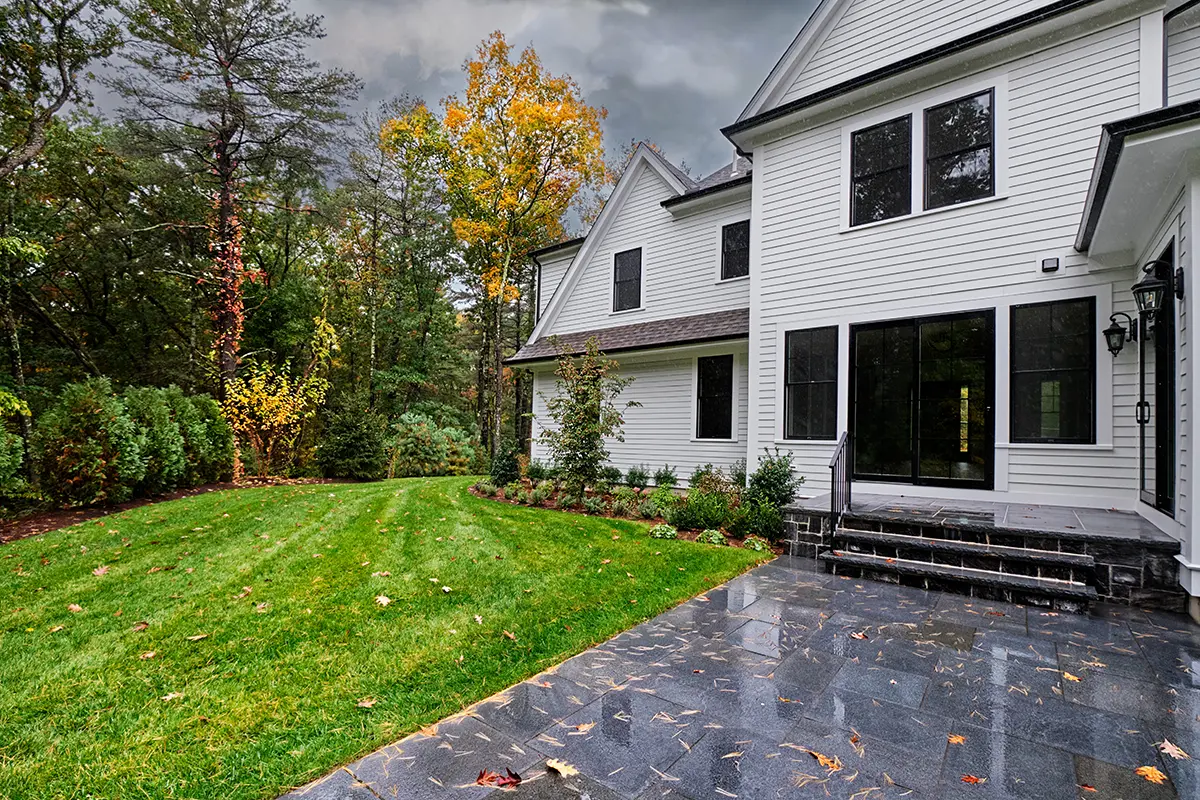
If you live in the Portland area, you know rain is part of everyday life. The steady drizzle, frequent overcast skies, and long damp seasons help keep the region lush — but for your home’s siding, that same moisture can be tough to deal with. Whether your siding is wood, fiber-cement, or another material, repeated exposure to rain and dampness can lead to a host of problems: warping, mold, rot, paint failure, and decay.
Below we explain the issues homeowners in rainy climates face — and share smart, practical steps to help siding stay strong for years to come.
1. Why Rain & Moisture Matter (Especially in Portland)
- Rain isn’t always a quick shower — in Portland, even after rain stops, siding can stay damp for hours or days, especially on shaded walls or in north-facing areas. That lingering moisture is a big reason why siding in this region must be treated differently than siding in dry climates.
- Once water penetrates a siding seam, gap, or crack, it can accumulate behind the siding — where surfaces aren’t visible — and cause hidden damage.
- If siding material stays wet for extended periods, it drastically increases the risk of fungal growth (mildew, mold, algae), wood rot, and structural deterioration.
In short: in Portland’s climate, rain isn’t just a superficial concern — it can affect the very integrity of siding over time.
2. Common Problems Rainy Weather Creates for Siding
Here are the issues many homes in rainy/humid climates face — sometimes only noticed when damage becomes serious.
-
Moisture Penetration & Water Damage
When siding absorbs water — whether from rain, pooling water, or splash-back from gutters and ground runoff — it can lead to swelling, warping, or soft/damp wood. On older or poorly sealed siding, this moisture penetration may show up as darkened wood or damp spots that feel soft to the touch.
Over time, water intrusion can move beyond siding and into sheathing or framing — a serious structural risk.
-
Mold, Mildew & Algae Growth
Wet, shaded, and poorly ventilated siding provides the perfect breeding ground for mold, mildew, and algae. These organisms thrive with moisture + shade, and once they take hold, they don’t just stain siding — they cause decay and can eventually damage siding material (especially wood siding).
Additionally, as siding absorbs and holds moisture, it stays damp longer, which further encourages biological growth.
-
Warping, Swelling, and Material Deformation
Wood siding can swell when it absorbs water, then shrink as it dries — this constant expansion and contraction strains the boards, causing warping, buckling, and even splitting. Over time, nails can loosen and joints can open, creating more pathways for water intrusion.
Fiber-cement or composite sidings are more resistant to water absorption than wood — but if not installed or sealed properly, even they can suffer from water infiltration, especially at seams, joints, or around windows/doors.
-
Hidden Moisture, Structural Damage & Interior Issues
Rain and humidity don’t always create visible problems right away. Water can infiltrate behind siding panels, reaching the sheathing or insulation, leading over time to rot, mold inside walls, or structural damage. Homeowners often don’t notice until worsening signs appear: warped siding, interior dampness, or musty odors.

3. What Siding Materials Do Better — and What’s Riskier
Not all siding materials react the same way to rain and moisture. Here’s a quick breakdown for homeowners in the Portland area:
- Wood siding: Traditional, classic, but highly vulnerable if not well maintained. Wood soaks up moisture, can swell/warp, and — if protected by paint or stain only — must be maintained vigilantly. Regular repainting, sealing of joints and trim, and prompt repair of imperfections are essential.
- Fiber-cement siding: Often a top choice for rainy climates, and the go-to option here at Sister Siding. High-quality fiber-cement is more resistant to moisture absorption, less prone to swelling or warping, and less likely to host mold or rot (especially if seams and joints are properly sealed).
- Vinyl, composite, or engineered siding: These may resist moisture better than untreated wood — but they still depend heavily on correct installation, good drainage, and clean sealing around windows, joints, and trim. If seams or flashing fail, water infiltration remains a risk.

4. How to Protect Siding from Rain & Moisture Damage: Smart, Effective Maintenance
If you want your siding to last — especially in a rainy climate like Portland’s — here are practical and effective steps to follow.
✅ Regular Inspections — at least once or twice a year
Check siding for cracks, loosened boards, warping, soft spots, discoloration, or peeling paint. Check especially around windows, doors, corners, eaves, and where siding meets the foundation — these are the most common entry points for water.
Fall (before the wet season) and spring (after winter) are good times for a full siding check-up.
✅ Seal Gaps, Joints, and Penetrations — caulk, flashing, and trim matter
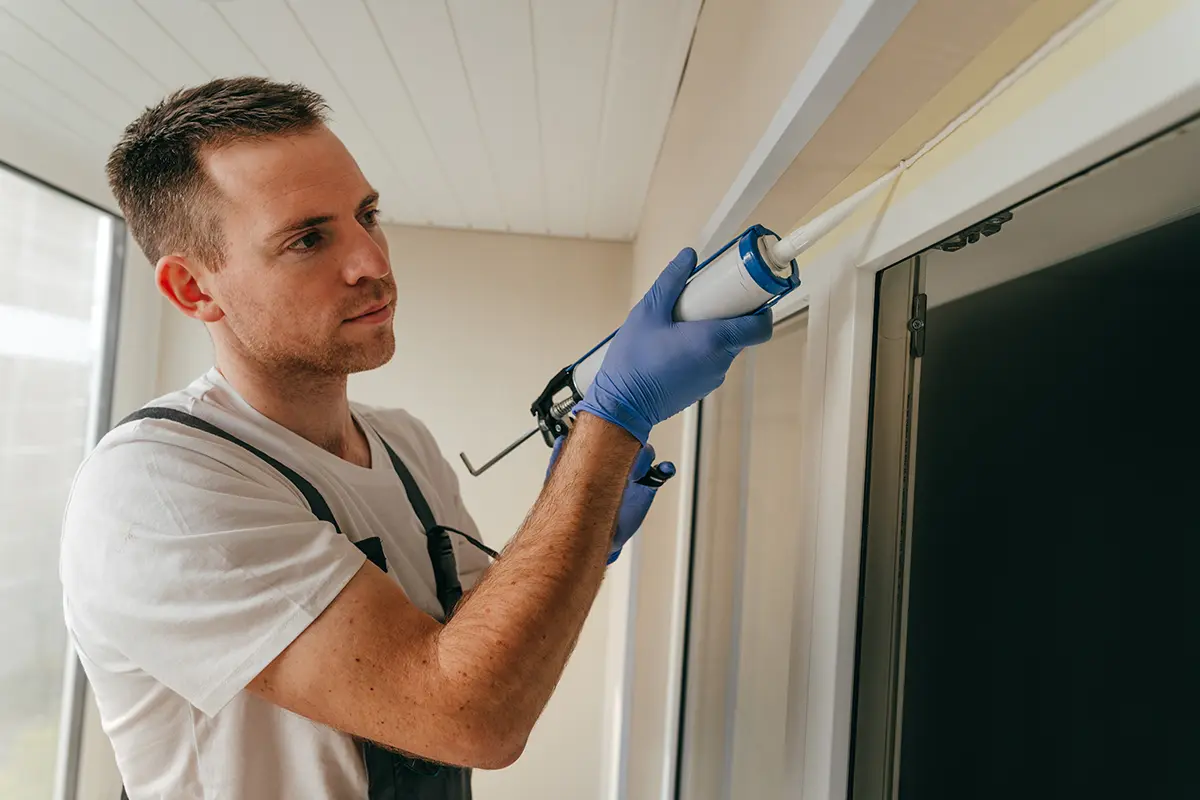
Make sure caulking around windows, doors, trim, and along seams is intact. Replace cracked or missing caulk. Proper flashing and drip edges at eaves and baseboards help direct water away from siding rather than into it. These simple fixes dramatically reduce the chance of moisture seepage.
✅ Choose the Right Material — consider fiber-cement or moisture-resistant siding
If you’re replacing siding or adding new sections, fiber-cement or other water-resistant siding is often better suited for Portland’s rainy environment. These materials resist swelling, rot, and mold far better than untreated wood — especially when installed correctly.
✅ Maintain Protective Coatings — paint, stain or sealed finishes
For wood siding, keep paint or stain — and don’t allow paint jobs to age out without inspection. A fresh coat of paint or stain helps shed water, slows absorption, and protects against rot and mold. If paint begins to peel or crack, water can seep in.
✅ Clean Siding and Manage Shade, Debris & Landscaping
Wash siding regularly (soft wash / gentle scrub) to remove mildew, algae, dirt — especially on north or shaded walls. Avoid letting trees or shrubs grow too close; good airflow helps siding dry after rain. Clearing debris and preventing splash-back from soil or mulch helps too.
5. What “Good” Looks Like — Signs of Properly Protected Siding
If your siding is doing its job in rainy weather and you’re maintaining it, here’s what to expect over time:
- No soft spots, warping, or swelling after long periods of rain
- No mold, mildew, or algae stains — even on shaded walls
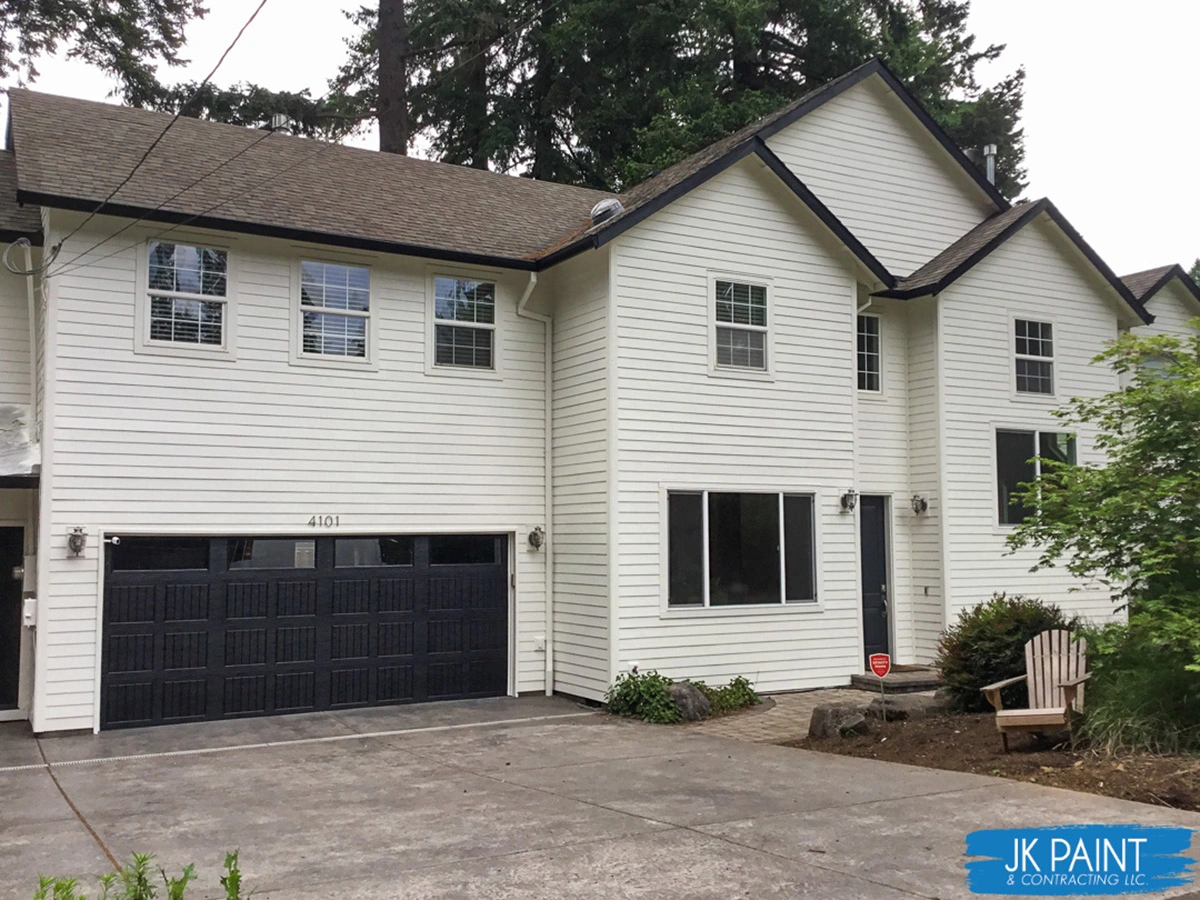
- Paint or finish intact, without peeling or cracking
- Tight caulking, flashing, and trim; no visible gaps or leaks around windows, doors, or seams
- Siding that looks and feels solid (not “springy” or damp) — even under heavy rainfall
In many cases, high-quality siding installed and maintained correctly can last decades — even in a rainy climate like Portland’s.
6. When to Call a Professional — Don’t Wait Until It’s Too Late
Sometimes moisture makes its way behind siding without visible signs — and by then, damage may already be happening inside walls or sheathing. If you notice:
- Warped or bulging siding panels
- Soft or damp wood when pressed
- Persistent mildew or mold that returns after cleaning
- Leaks or water stains on interior walls near the siding side
- Failed caulking or flashing
- Rot or deterioration around foundation, eaves, or windows
… you should call a siding or exterior-repair professional for a full inspection before water damage spreads deeper.
Early intervention often saves thousands in future repairs.
Final Thoughts — In Rainy Portland, Siding Needs Respect (And Attention)
Portland’s rain and dampness don’t just wash away — they linger, seep, and soak. That means siding here isn’t just cosmetic — it’s a critical part of your home’s defense system.
With thoughtful maintenance, good materials, and careful inspections, siding can remain strong and protective for years. But if you skip caulking, ignore peeling paint, or neglect drainage and ventilation — rain and moisture will find a way in.
If you’re unsure about your siding’s condition or want a professional assessment, talk to Sister Siding before the next rainy season. A stitch in time can spare you expensive structural problems down the road.