James Hardie vs Vinyl Siding: An Honest Take From People Who’ve Seen Both Up Close
See what Portland Area Siding Expert, Lucas Kelly, says about James Hardie siding verse vinyl siding, and which is best for Oregon homeowners.
By Lucas Kelly, Portland Siding Expert | June 29, 2026
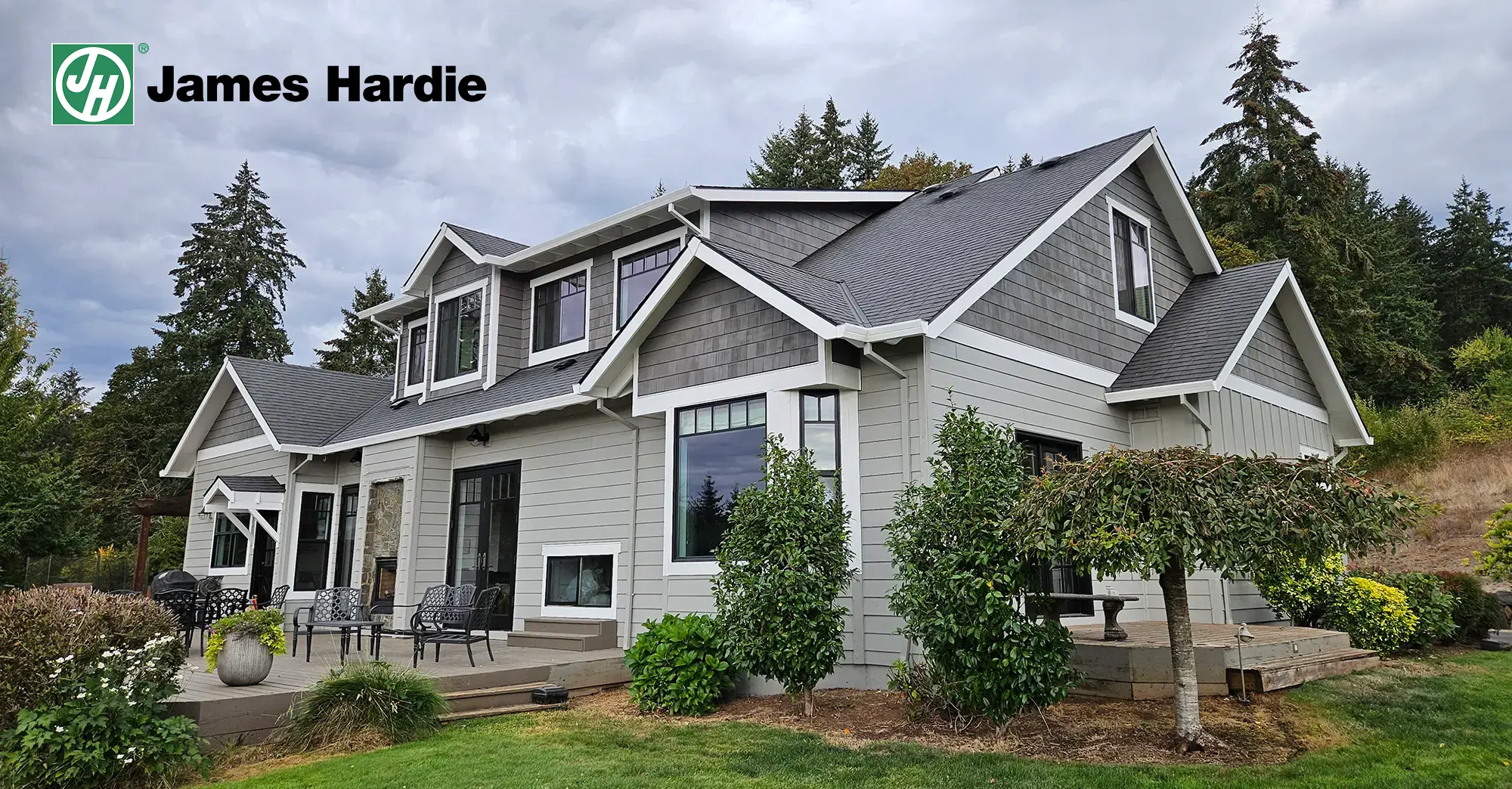
Let’s be straight with you: not all siding is created equal, and we’ve seen enough failed vinyl jobs in Oregon to have some opinions about it.
When homeowners start shopping for new siding, the conversation almost always comes down to two options — James Hardie fiber cement or vinyl. And honestly? It’s not a close call for us. But we get why people hesitate. Vinyl is cheaper upfront, and “cheaper upfront” is a compelling argument when you’re already writing a big check for exterior work.
So let’s actually talk through it.
What James Hardie Is (And Why It’s Built Different)
James Hardie isn’t just a brand name people throw around — it’s a fiber cement product made from cement, sand, and cellulose fibers. That combination creates something that behaves more like a structural material than a cladding product. It doesn’t flex in the heat. It doesn’t get brittle in a freeze. It doesn’t give termites anything to work with.
What it does resist:
- Moisture and rot
- Warping and cracking
- Pest damage
- Fire exposure
- UV fade
That’s not marketing language. That’s just what cement-based products do.
The Durability Gap Is Real
Vinyl siding — PVC, basically — is lightweight and fast to install. That’s why it’s cheaper. But lightweight and fast comes with tradeoffs that show up over time.
We’ve replaced vinyl siding that warped after a hot summer, cracked after a cold snap, or faded so badly it looked like a completely different color than it did when it was installed. These aren’t edge cases. This is what happens to vinyl in real Pacific Northwest conditions — because Oregon doesn’t give your siding a break.
James Hardie holds its shape. It holds its color (the ColorPlus finish is baked on, not painted on). And it holds up to the kind of weather that makes lesser materials fail quietly until you’ve got a moisture problem inside your walls.
Oregon’s Climate Is the Deciding Factor
Here’s the thing about living in the Northwest that people from drier climates don’t always appreciate: it’s not just rain. It’s persistent moisture. It’s morning fog sitting against your siding for hours. It’s wet winters followed by dry summers that make materials expand and contract repeatedly over years.
That cycle is brutal on vinyl. It’s where mold starts behind siding. It’s where wood sheathing gets soft. It’s where a small gap turns into a real repair bill.
Fiber cement is engineered to shed moisture rather than hold it. Installed correctly with proper flashing and sealing, it’s about as close to a waterproof exterior as you can get without living in a concrete bunker.
The Look Matters Too
We’ll be honest, early vinyl siding looked like vinyl siding. Flat, plasticky, unconvincing. Manufacturers have gotten better, but there’s still a ceiling to what extruded PVC can look like.
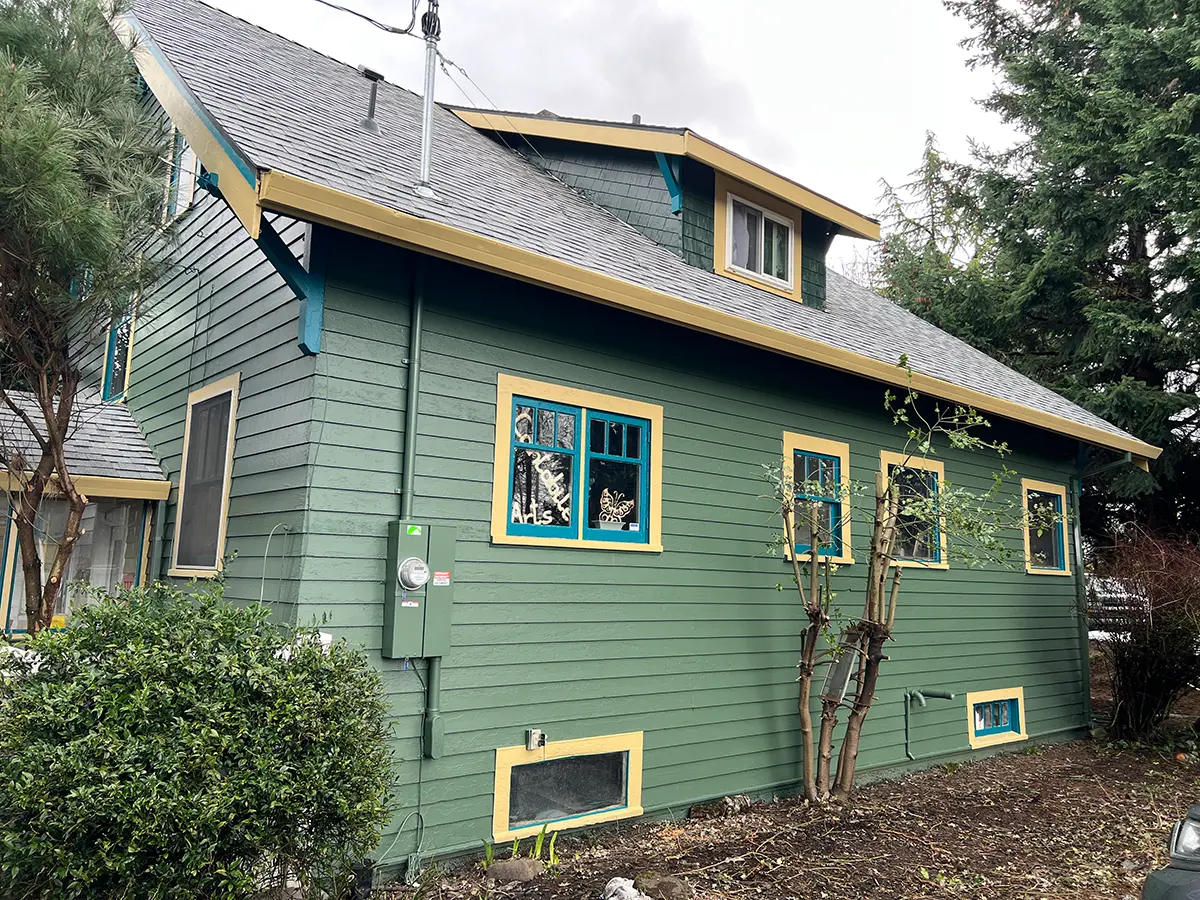
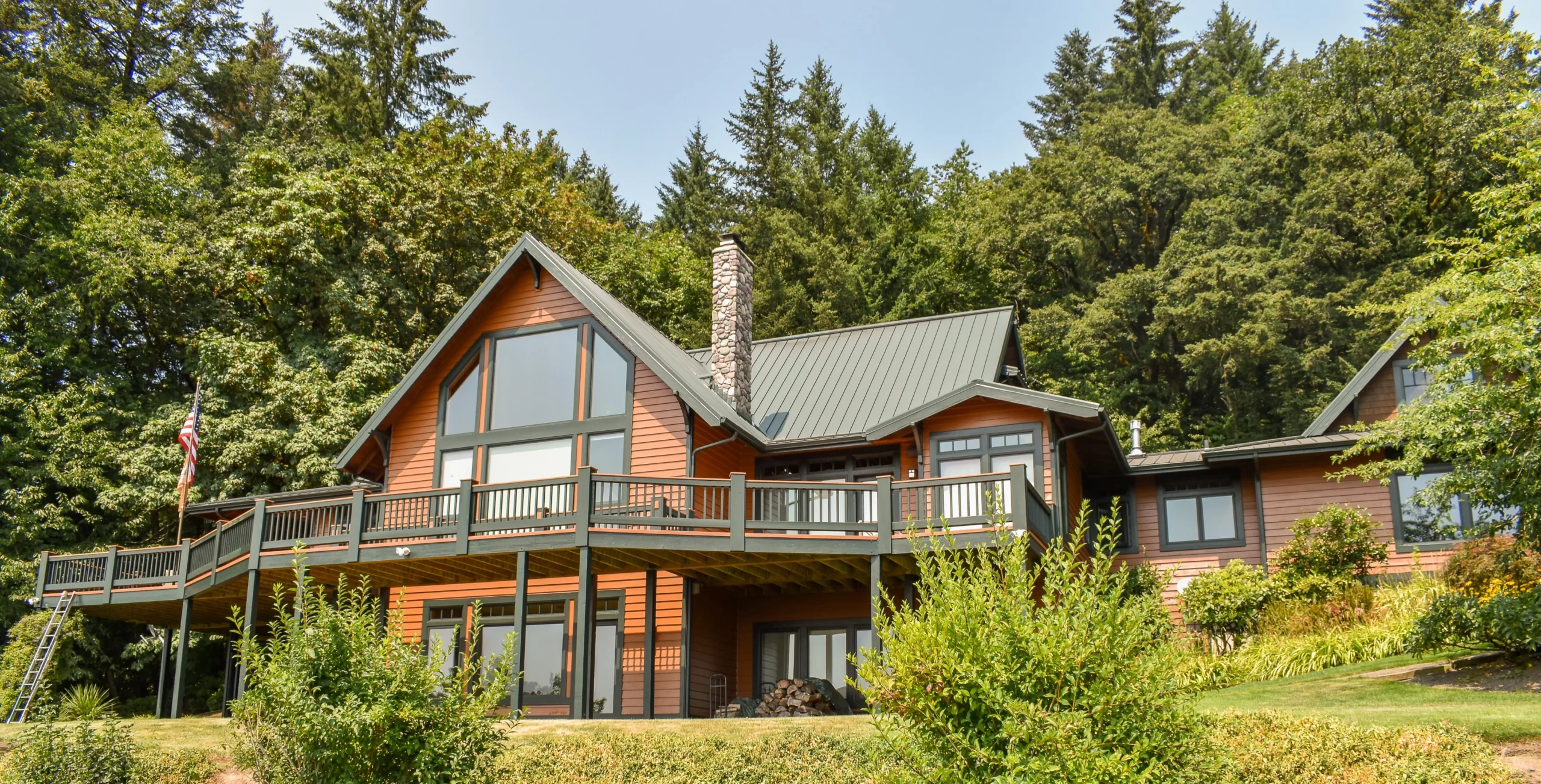
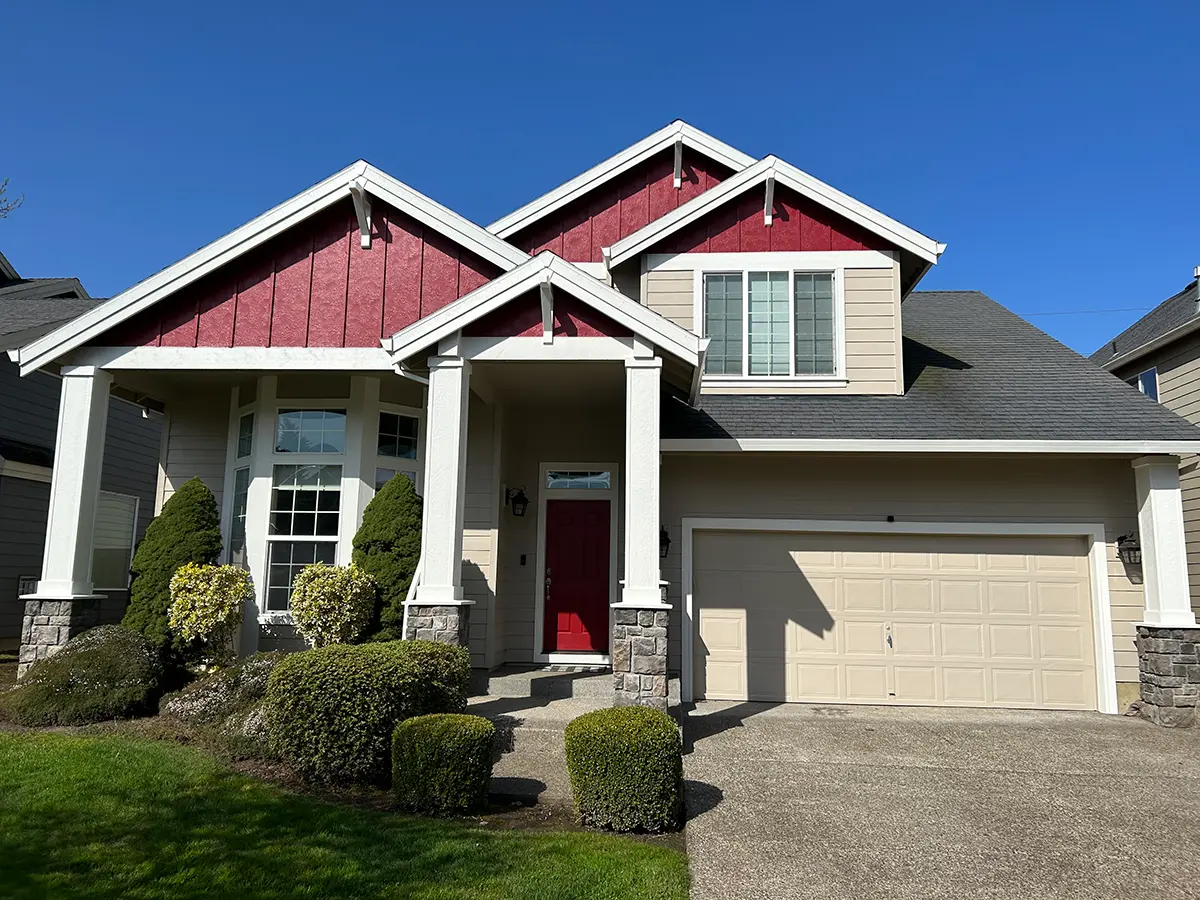
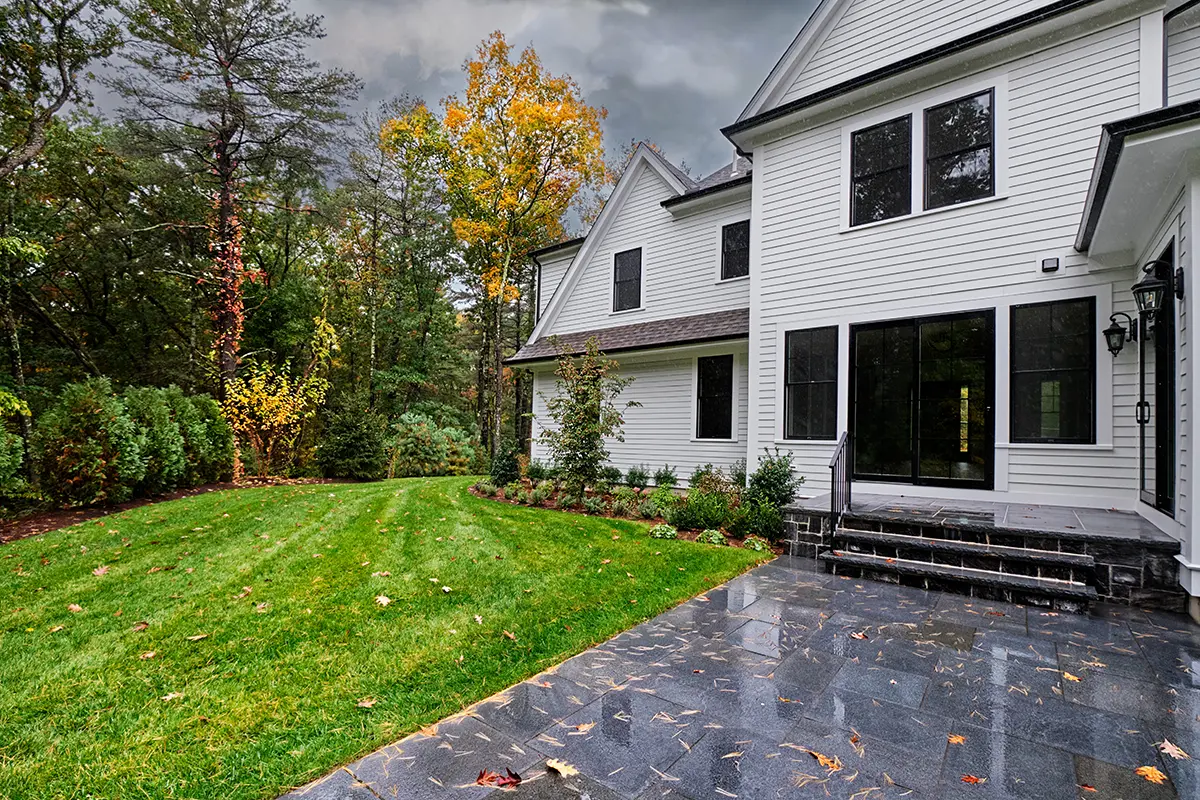
James Hardie can genuinely pass for wood. The wood-grain textures are deep and realistic. Styles like lap siding, board and batten, shake, and vertical panels give you real design flexibility — not just “which shade of beige do you want.”
If you’re going through the effort and expense of replacing your siding, it’s worth ending up with something that looks like a deliberate design choice rather than the builder-grade default.
Yes, It Costs More. Here’s Why That’s Fine.
James Hardie costs more than vinyl — roughly 20–30% more on average depending on the project, sometimes more. That’s real money.
But siding isn’t a purchase you want to make twice. Vinyl that fails in 15 years isn’t a deal, it’s a loan you paid interest on. James Hardie comes with a 30-year warranty and, with basic maintenance, can outlast that easily.
The math over a 30-year horizon almost always favors fiber cement. And that’s before you factor in what it does for resale — buyers notice premium exteriors, and “James Hardie siding” is a line item that actually moves people.
Maintenance: Low for Both, Better for One
Neither option requires the upkeep that wood does — that’s a genuine win for both. But James Hardie holds up better cosmetically over time. Vinyl can yellow, chalk, or crack in ways that are difficult or impossible to fix without replacing panels. Hardie can be repainted when you want a refresh, and it takes paint beautifully.
The Bottom Line
If budget is genuinely the only consideration, vinyl will do a job. It’s not nothing.
But if you want an exterior that protects your home, looks great for decades, handles Oregon weather without complaint, and adds real value when it comes time to sell — James Hardie is the answer. It’s the siding we’d put on our own houses.
At Sister Siding, we specialize in James Hardie installations for Northwest homes. If you’re ready to talk through your project, reach out and we’ll give you a straight assessment of what it’ll take — no pressure, no upsell, just honest guidance.
Talk with our Oregon siding experts today.