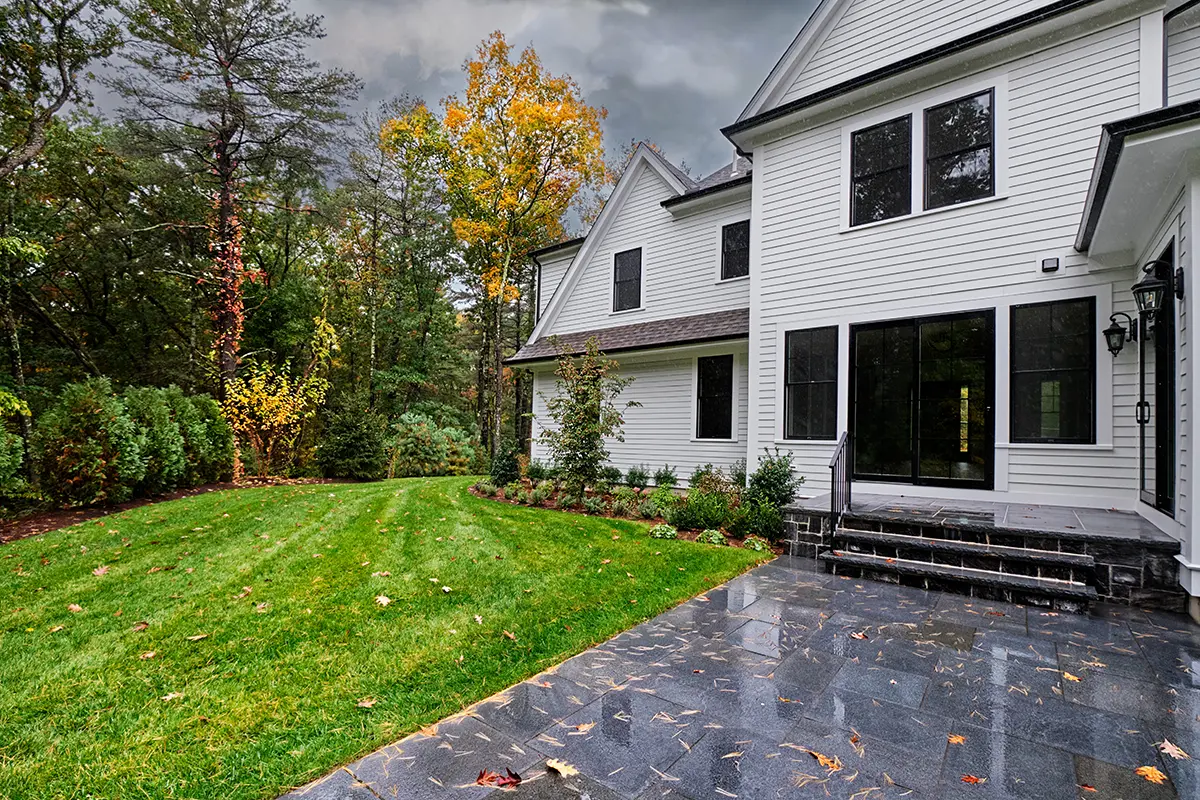
Siding Tips for Older Homes in Portland Neighborhoods
See what Portland Area Siding Expert, Lucas Kelly, says about maintaining siding for older homes in the Portland area.
By Lucas Kelly, Portland Siding Expert | April 17, 2026
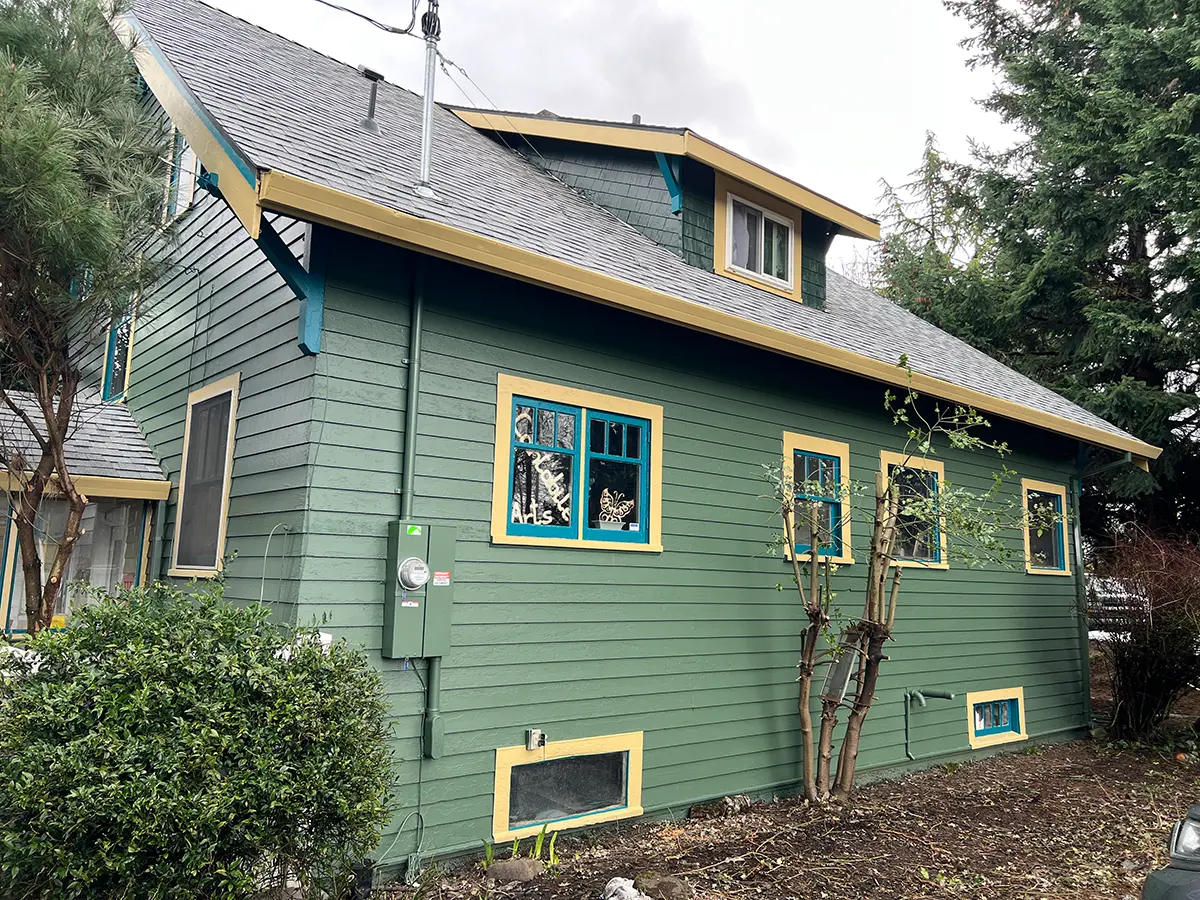
Portland is known for its beautiful historic homes. From classic Craftsman houses in Alberta Arts District to early 1900s properties in Sellwood Moreland, and charming bungalows throughout Irvington, older homes give our city its character.
But with Portland’s constant rain, moisture, and seasonal temperature shifts, siding on older homes takes a beating.
At Sister Siding, we specialize in residential siding services in Portland, and we’ve worked on countless historic and older homes. Below are practical siding maintenance tips for Portland homeowners, plus clear signs that it may be time to replace your siding entirely.
Why Older Portland Homes Need Special Siding Attention
Many homes built before the 1970s were constructed with different weatherproofing standards than we use today. Modern house wrap systems, flashing techniques, and moisture barriers were either minimal or nonexistent.
For older homes, especially:
- Weatherproofing may have been done incorrectly
- Flashing details may be outdated
- Moisture barriers may be missing
- Caulking is often the primary defense against water intrusion
And in Portland’s wet climate, water intrusion is the number one enemy.
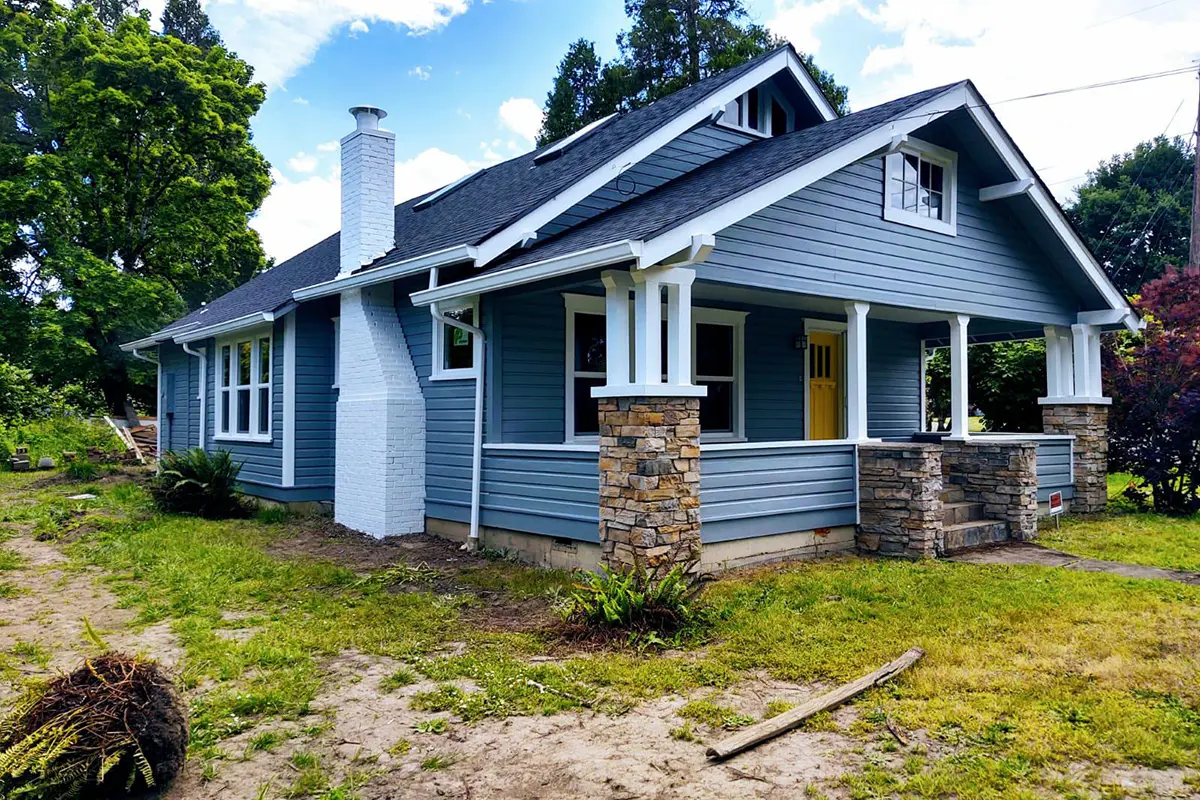
Maintenance Tips for Older Homes in Portland
Proper siding maintenance can dramatically extend the life of your exterior and protect your home’s structure.
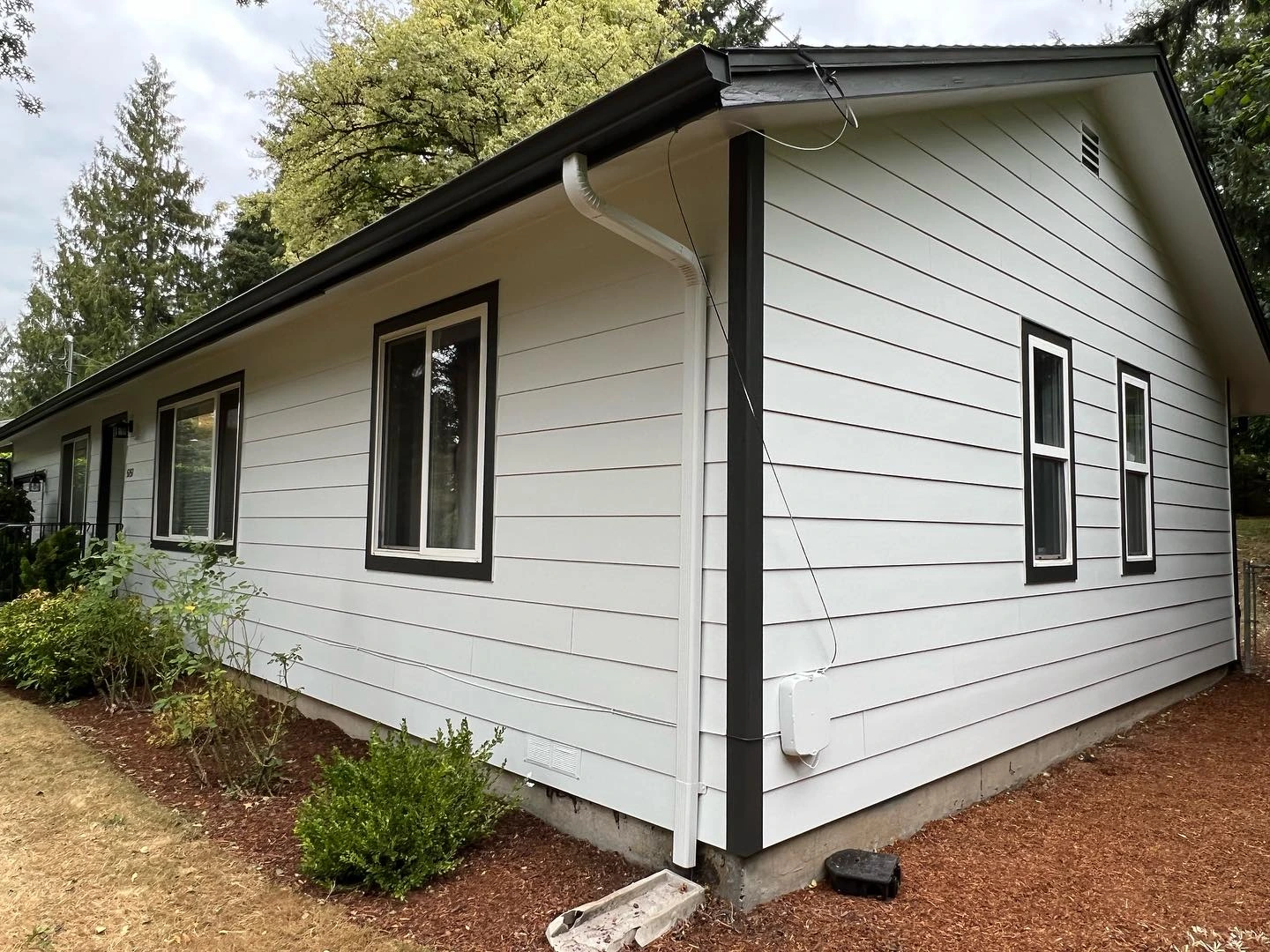
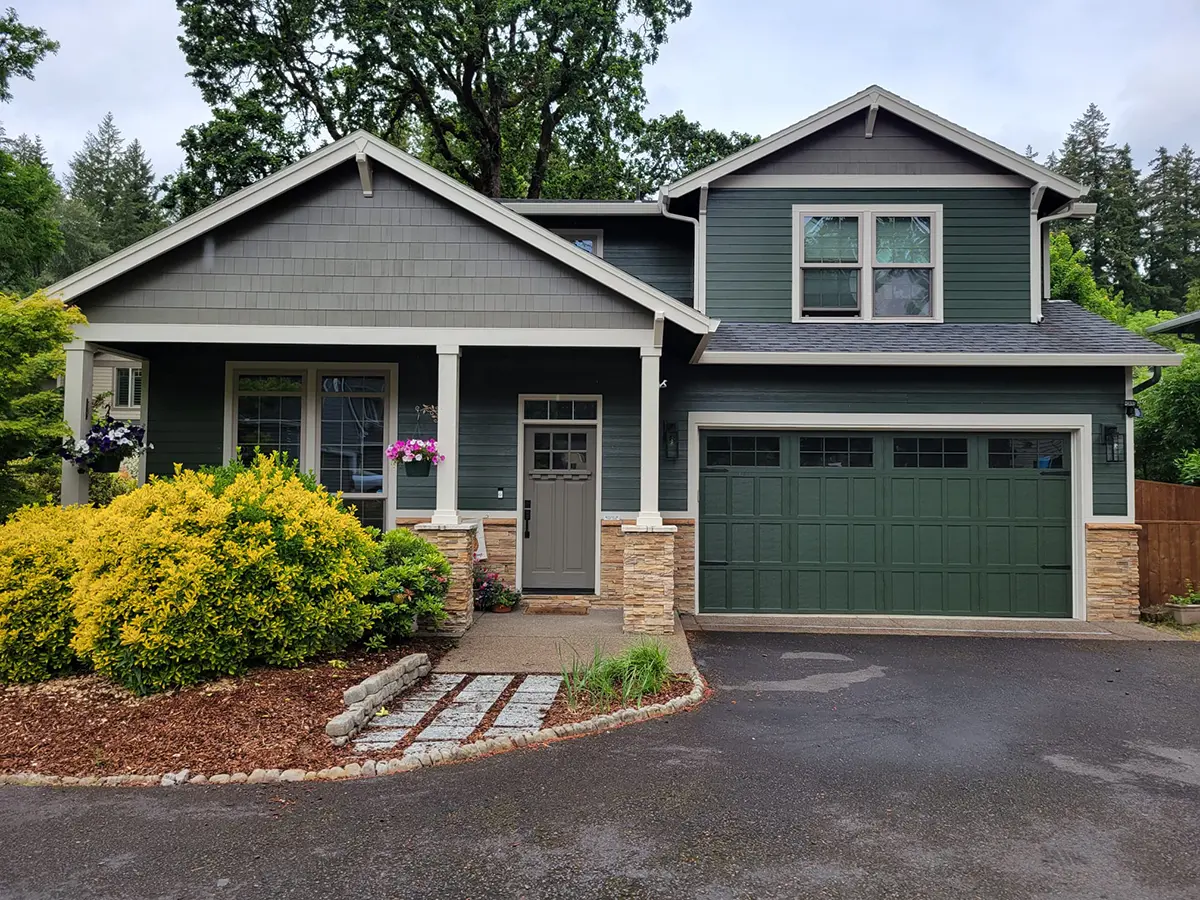
1. Paint Regularly It’s More Than Cosmetic
For older homes, especially, we strongly recommend painting regularly.
Because they’re old, the weatherproofing was probably done incorrectly, and caulk will be the main thing that stops water intrusion and issues down the road.
Paint acts as:
- A moisture barrier
- UV protection
- An extra sealing layer
- A defense against wood rot
In Portland’s climate, repainting every 5 to 8 years, sometimes sooner depending on exposure, is often necessary.
If paint is peeling, cracking, or chalking, do not delay. That is your home telling you moisture protection is failing.
2. Inspect and Maintain Caulking
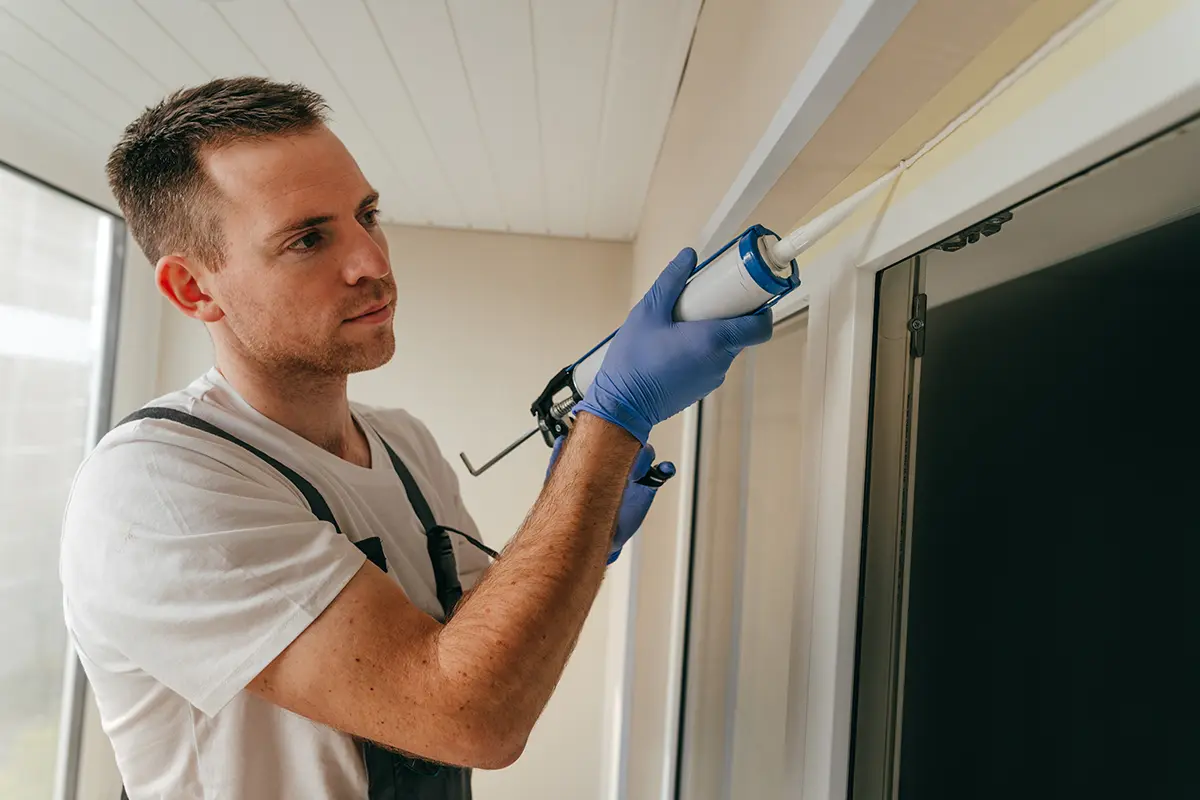
On older homes, caulk is critical.
Check annually for:
- Cracks around windows and doors
- Separation at trim joints
- Gaps along fascia and soffits
- Open seams in siding boards
Failing caulk is one of the most common causes of hidden water damage in Portland homes.
Pro tip: If you are repainting, always re caulk first. Paint alone will not solve moisture problems.
3. Watch for Wood Rot, Especially on Trim
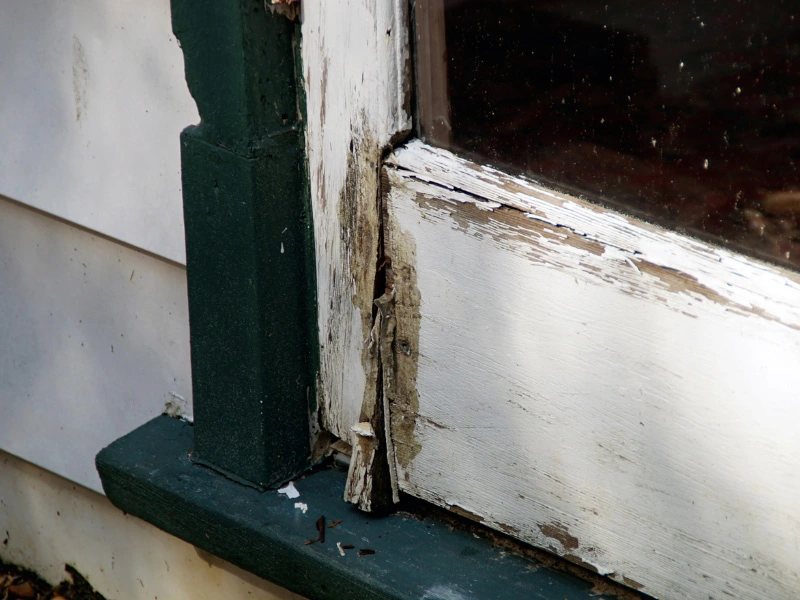
Wood rot tends to show up:
- Around window sills
- On lower trim boards
- Near rooflines
- Behind downspouts
Portland’s long rainy season means even small leaks can lead to significant damage over time.
Soft wood, bubbling paint, or discoloration are all early warning signs. Catching rot early can save you thousands in structural repairs.
4. Keep Gutters and Downspouts Clear
Overflowing gutters dump water directly onto siding.
Make sure:
- Gutters are cleaned at least twice per year
- Downspouts direct water away from the foundation
- Splash blocks are properly placed
In neighborhoods with mature trees, like Irvington or Sellwood, this is especially important during fall and winter.

5. Consider Upgrading Problem Areas
Many older homes in Portland have:
- Original cedar siding
- Hardboard siding from the 1980s to 1990s
- Sections repaired multiple times
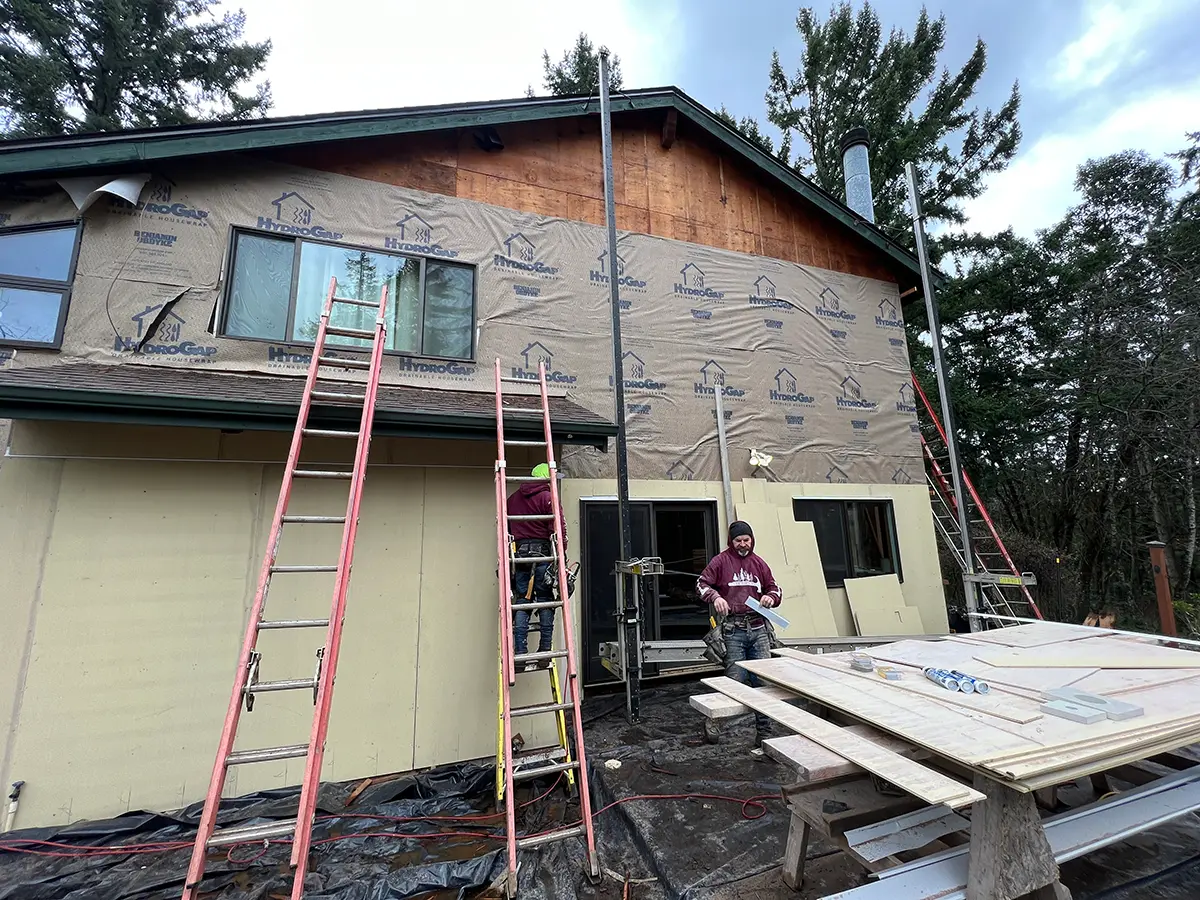
If one elevation of your home takes heavy weather exposure, usually the south or west side, you may want to consider partial replacement with more durable materials while maintaining the historic look.
When Is It Time for New Siding?
Maintenance can only go so far. Here is how to know when it may be time to replace your siding.
1. Repeated Rot Repairs
If you have repaired the same sections multiple times, it may be more cost effective to replace the siding entirely.
Chronic moisture intrusion usually indicates deeper weatherproofing issues.
2. Warping or Buckling Boards
Siding should lay flat.
If boards are:
- Warped
- Cracked
- Pulling away from the home
- Buckling
This often means moisture has penetrated behind the siding.
3. Interior Signs of Moisture
Sometimes siding failure shows up inside first.
Watch for:
- Mold smells
- Peeling interior paint near exterior walls
- Soft drywall
- Drafts
These are major red flags.
4. High Energy Bills
Older siding systems often lack proper insulation and air sealing.
If your Portland home feels drafty or your heating bills are climbing, new siding combined with modern weather barriers can significantly improve efficiency.
5. Your Siding Is 30 Plus Years Old
Even well maintained siding has a lifespan.
If your siding is:
- Original to the home
- Hardboard from the 80s or 90s
- Frequently needing paint or patchwork
It may be time to evaluate replacement options.
What “Good” Looks Like — Signs of Properly Protected Siding
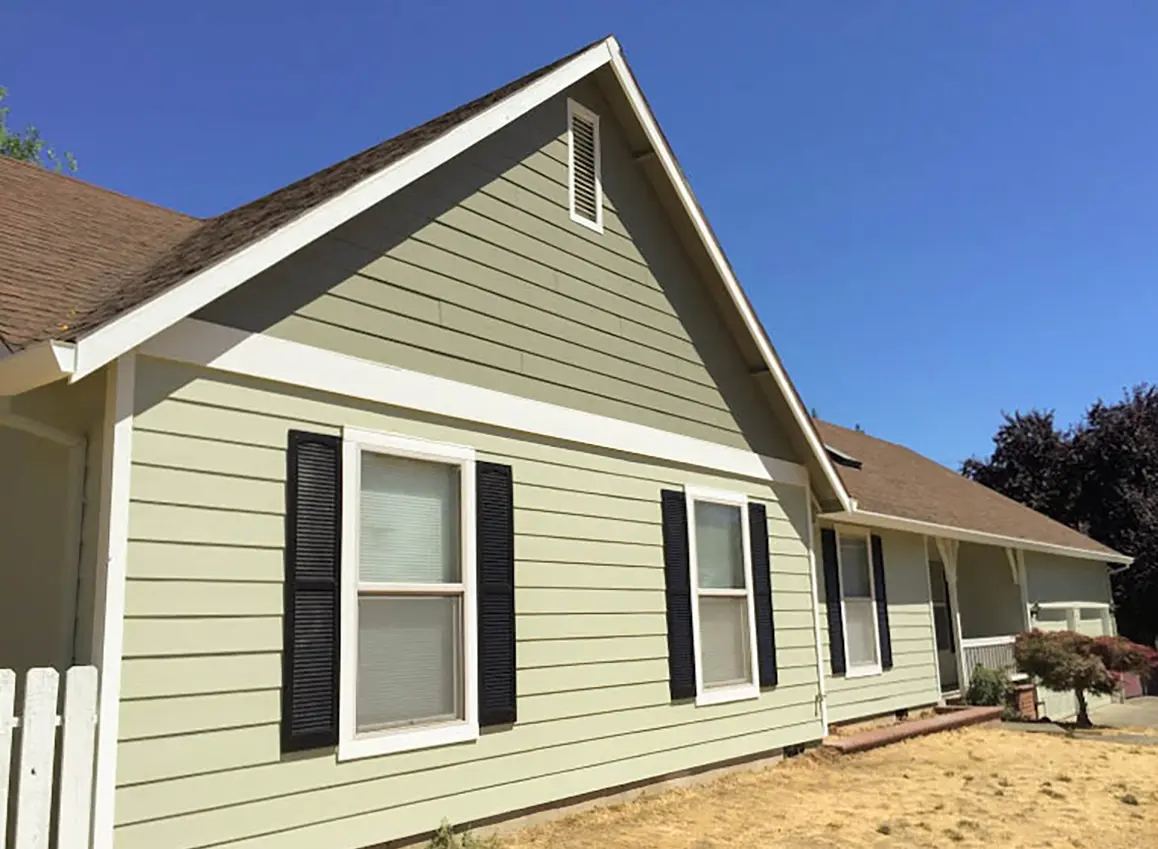
If your siding is doing its job in rainy weather and you’re maintaining it, here’s what to expect over time:
- No soft spots, warping, or swelling after long periods of rain
- No mold, mildew, or algae stains — even on shaded walls
- Paint or finish intact, without peeling or cracking
- Tight caulking, flashing, and trim; no visible gaps or leaks around windows, doors, or seams
- Siding that looks and feels solid (not “springy” or damp) — even under heavy rainfall
In many cases, high-quality siding installed and maintained correctly can last decades — even in a rainy climate like Portland’s.
When to Call a Professional — Don’t Wait Until It’s Too Late
Sometimes moisture makes its way behind siding without visible signs — and by then, damage may already be happening inside walls or sheathing. If you notice:
- Warped or bulging siding panels
- Soft or damp wood when pressed
- Persistent mildew or mold that returns after cleaning
- Leaks or water stains on interior walls near the siding side
- Failed caulking or flashing
- Rot or deterioration around foundation, eaves, or windows
… you should call a siding or exterior-repair professional for a full inspection before water damage spreads deeper.
Early intervention often saves thousands in future repairs.